A Philosophy Rooted in Patient-First Care
make an appoıntment
Dr. İbrahim Kocaoğlu
A Heart-Centric Cardiologist
Dr. İbrahim Kocaoğlu is an accomplished cardiologist in Turkey whose professional journey blends rigorous academic excellence, extensive clinical experience, and a deeply humanistic approach to patient care. His philosophy is rooted in scientific rigor, transparent physician–patient communication, and personalized cardiology prioritizing not just the treatment of heart conditions, but the overall wellbeing of the individual patient.
In an era where medical care can become formulaic and rushed, Dr. Kocaoğlu’s approach stands out for emphasizing the unique life context of each patient, integrating lifestyle, risk factors, and long-term health goals into every clinical decision.
Non-Surgical and
Drug-Free EECP Treatment
Specialist Dr. İbrahim Kocaoğlu applies EECP (Enhanced External Counterpulsation) treatment, used in cardiovascular diseases, to eligible patients in accordance with scientific criteria.
EECP is a non-surgical and non-invasive treatment method that aims to improve blood circulation in patients with chest pain (angina), coronary artery disease, and heart failure. Through regular sessions, oxygenation of the heart muscle is supported, reduction of complaints and improvement of daily quality of life are targeted. The treatment process is evaluated individually for each patient and planned with regular follow-up.
patıent comments
Cardiology treatments

High Cholesterol and Vascular Stiffness
High cholesterol and vascular stiffness are closely interconnected processes that play a critical role in the development and progression of cardiovascular disease.

Post-Heart Attack Follow-up and Control
A heart attack is not the end of cardiovascular treatment; it marks the beginning of a critical and lifelong phase of care.

Coronary Artery Disease
Coronary Artery Disease (CAD) is one of the most common and serious cardiovascular conditions worldwide and remains a leading cause of morbidity and mortality.

Arrhythmia (Rhythm Disorders)
The human heart depends on a precisely coordinated electrical system to maintain a regular and effective rhythm.

Heart and Vascular Diseases
Heart and vascular diseases remain the leading cause of morbidity and mortality worldwide, affecting individuals across all age groups and lifestyles.

Hypertension
Hypertension, commonly referred to as high blood pressure, is one of the most prevalent and clinically significant risk factors for cardiovascular disease worldwide.

Heart Failure
Heart failure is a complex clinical syndrome in which the heart is unable to pump sufficient blood to meet the metabolic demands of the body.

Valve Diseases
Heart valve diseases represent a significant yet often underrecognized group of cardiovascular disorders that can profoundly affect cardiac function and long-term health.
Modern Cardiology & EXPERIENCE
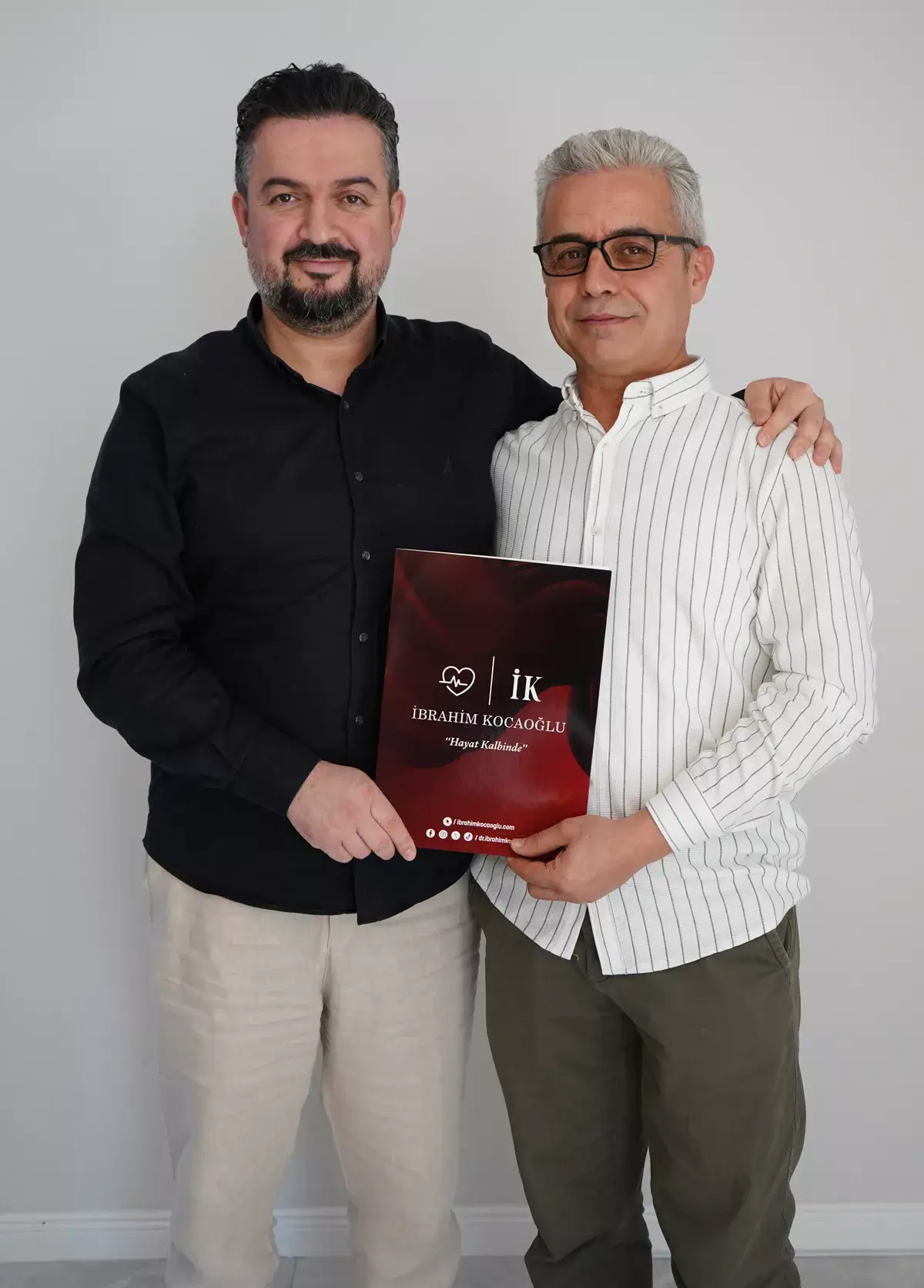
Dr. Kocaoğlu’s practice integrates both modern technology and timeless medical values. Diagnostic tools such as echocardiography (EKO), electrocardiograms (EKG), Holter monitoring, and stress tests are coupled with a comprehensive understanding of patient needs enabling early detection and personalized treatment.
His blend of evidence-based medicine, refined clinical technique, and empathetic care fosters confidence in patients and supports healthier long-term outcomes. This dual commitment to science and respect for individual experience defines his professional identity.
Dr. İbrahim Kocaoğlu represents a modern intersection of compassionate care, scientific integrity, and clinical excellence a physician who listens, treats, and partners with every patient toward sustainable heart health.
Examination & Evaluation
Comprehensive cardiac diagnostics and assessments to monitor, analyze, and protect your heart health.
- Cardiological Examination — A comprehensive evaluation of heart health through physical assessment and medical history review.
- ECG (Electrocardiography) — Records the heart’s electrical activity to detect rhythm disorders and abnormalities.
- Echocardiography — Ultrasound imaging of the heart to assess its structure and function.
- Cardisio (CSG) — Advanced cardiac screening technology for early detection of cardiovascular risks.
- Cardiac Risk Analysis — Evaluates personal risk factors to prevent future heart disease.
- Peripheral Vascular Examination — Assesses blood flow in arteries and veins of the limbs.
- Holter (Rhythm – Blood Pressure) — Continuous 24-hour monitoring of heart rhythm and blood pressure.
- Stress Test — Measures heart performance under controlled physical exertion.
- Stress Echo — Combines ultrasound imaging with exercise to evaluate heart function under stress.
- Pacemaker Control — Routine check-up and programming of implanted cardiac pacemaker devices.
- EECP — Non-invasive therapy that improves blood flow and reduces angina symptoms.
- Sleep Apnea Screening Test — Detects breathing irregularities during sleep that may affect heart health.
Patıent photos


FAQ
Many heart and vascular conditions can develop silently without obvious symptoms. You should consider seeing a cardiologist if you have risk factors such as high blood pressure, high cholesterol, diabetes, a family history of heart disease, or if you are over a certain age. Preventive cardiology plays a key role in detecting problems early and reducing long-term cardiovascular risk.
Symptoms such as chest pain or pressure, shortness of breath, unexplained fatigue, palpitations, dizziness, or fainting should never be ignored. Even mild or intermittent symptoms may indicate an underlying cardiac condition and should be evaluated by a cardiologist to rule out serious causes.
Lifestyle changes are a fundamental part of heart health management and, in many cases, can significantly improve cardiovascular risk factors. However, lifestyle modification and medication often work best together. The need for medication depends on the individual’s diagnosis, risk profile, and overall health status, and should be determined by a cardiologist.
The frequency of cardiology check-ups depends on your age, risk factors, and existing heart conditions. Individuals with known cardiovascular disease or multiple risk factors may require regular follow-up, while others may benefit from periodic preventive evaluations. A cardiologist can recommend a personalized follow-up schedule.
No. Heart disease can affect individuals of all ages. Unhealthy lifestyle habits, stress, metabolic disorders, and genetic factors can increase cardiovascular risk even in younger adults. Early awareness, regular screening, and preventive care are essential at every stage of life.